St. John Paul II said, “There is a profound analogy between the Fiat which Mary said in reply to the angel and the Amen, which every believer says when receiving the body of the Lord.”


St. John Paul II said, “There is a profound analogy between the Fiat which Mary said in reply to the angel and the Amen, which every believer says when receiving the body of the Lord.”

Our Acts 2:42 Small Groups are discussing the theme of transformation and divinization this month.
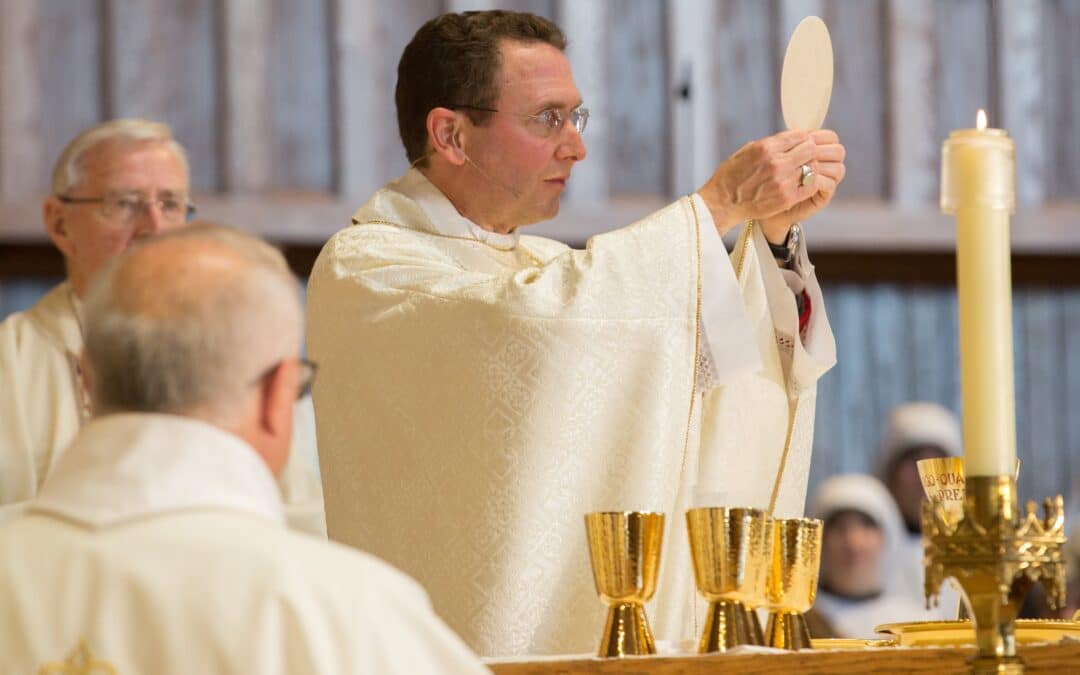
Is it possible to receive the Eucharist and not experience God’s love?
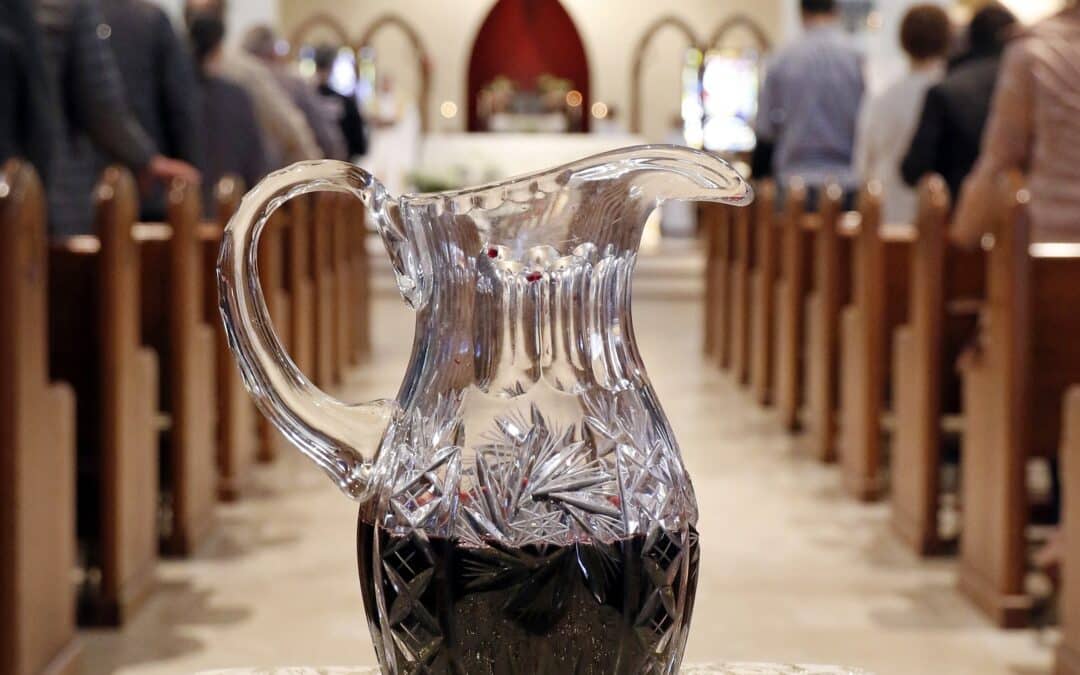
“The Eucharist is the source and summit of the Christian life.” Inspiring words from the document Lumen Gentium from the Second Vatican Council and yet, what do they practically mean to us today?
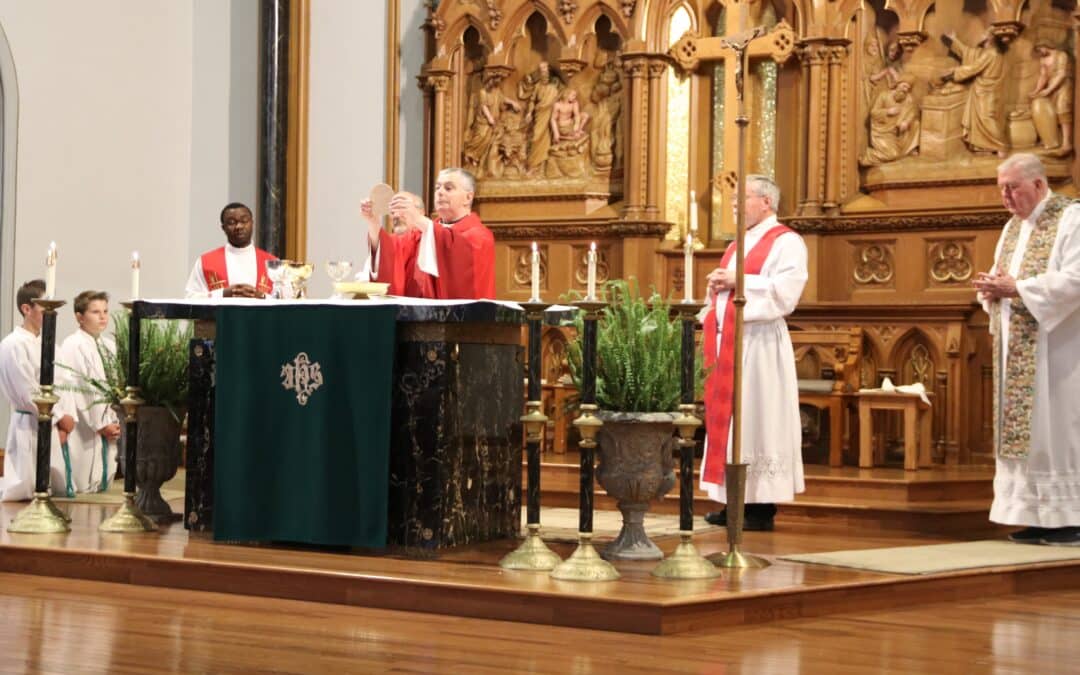
In the words of St. John Vianney, “What does Jesus do in the Eucharist? If you are in difficulties and sorrows, he will comfort you and relieve you…”
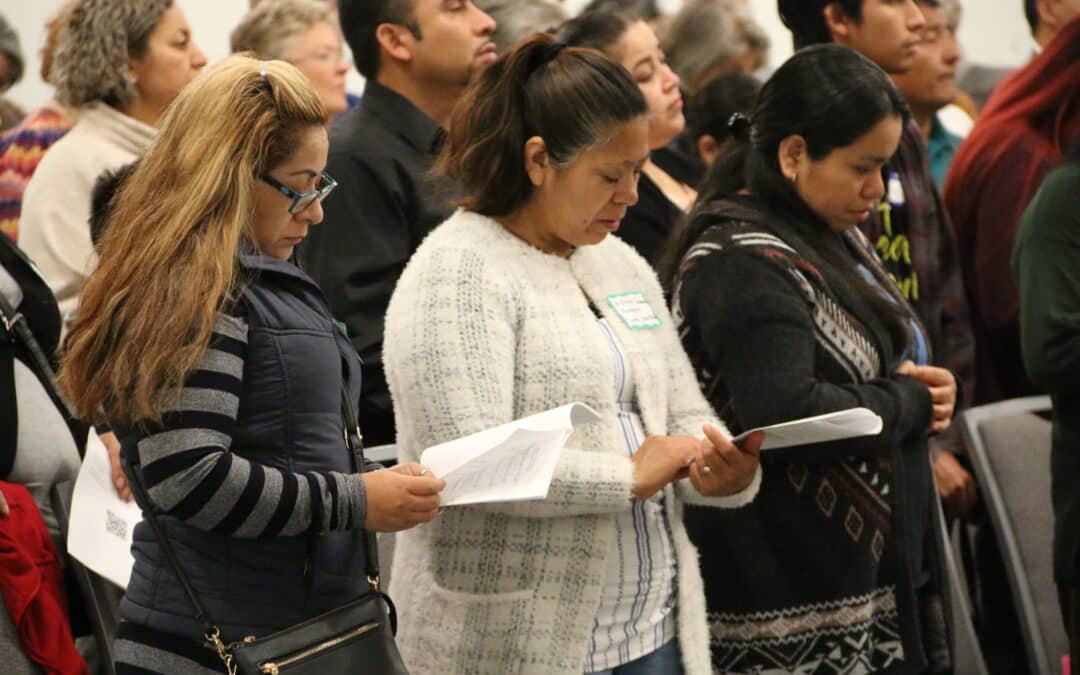
Was the old evangelization broken or deficient in some way? Is the New Evangelization a “new and improved” type? And what does this strange Greek word mean anyway?
As we prepare to celebrate the National Eucharistic Revival in parishes across the diocese beginning in June, let’s start with the goal in mind.
“I invite all Christians, everywhere, at this very moment, to a renewed personal encounter with Jesus Christ, or at least an openness to letting him encounter them; I ask all of you to do this unfailingly each day” (Pope Francis, The Joy of the Gospel, paragraph 3).
The United States bishops have stated that, “Whether you were baptized as a child, or joined the Church as an adult, you have a story of faith. Whether you sincerely live your faith in quiet or have a great public ministry, you have a story of faith…”
My wife and I were blessed to meet after college as we served on the National Evangelization Teams (NET) based in St. Paul, Minn. As a Catholic ministry, we worked with parishes around the U.S. hosting parish retreats and leading small groups with teens.